
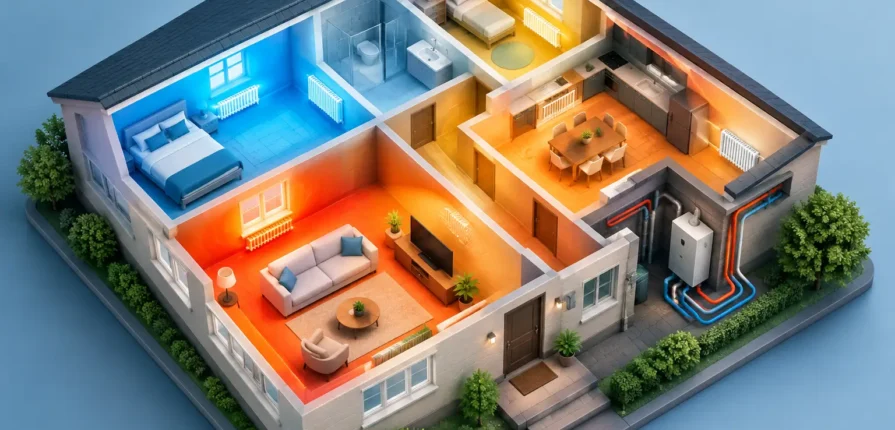
A furnace can be running, the thermostat can be set correctly, and one part of the house can still feel like a different season. If you are asking what causes uneven heating, the answer is usually not one simple issue. It can be a mix of airflow, insulation, equipment condition, thermostat placement, and the way your home is built.
A small temperature difference between rooms is common, especially in a two-story home. But when bedrooms stay cold, the living room overheats, or you keep adjusting the thermostat without getting comfortable, it is time to find the cause. Fixing the right problem can improve comfort, reduce wasted energy, and take pressure off your furnace.
What Causes Uneven Heating? Start With Airflow
Your heating system can only warm a room if enough heated air reaches it and has a clear path back to the system. Airflow problems are among the most common reasons for cold rooms in central Ohio homes.
A supply register that is closed, blocked by furniture, or covered by a rug can limit heat to that room. The same goes for return vents. Supply vents deliver warm air, while return vents pull room air back to the furnace to be heated again. Both need to remain open and unobstructed for the system to circulate air properly.
A dirty furnace filter can also restrict airflow across the whole system. When the filter is packed with dust, pet hair, or debris, the blower has to work harder to move air. Some rooms may get less heat than others, and the furnace can run longer than it should. Check the filter monthly during heavy heating season and replace it based on the filter type and your household conditions.
Duct Leaks, Damage, and Poor Duct Design
Ductwork is out of sight, which makes it easy to overlook. But leaky, disconnected, crushed, or poorly sized ducts can send heated air into an attic, crawl space, basement, or wall cavity instead of into the rooms you use.
Older homes sometimes have duct systems that were added or modified over the years. A finished basement, an addition, or a converted attic may be tied into the original system without enough airflow capacity. In those cases, simply turning up the thermostat will not solve the problem. The system may need duct repair, balancing, redesign, or a separate zoning solution.
An HVAC technician can measure airflow, inspect accessible ducts, and look for pressure problems that are not obvious from a vent cover. This is more useful than guessing which register to close or open.
Thermostat Location Can Create Hot and Cold Rooms
Your thermostat only reads the temperature where it is installed. If it sits near a sunny window, exterior door, kitchen, fireplace, supply vent, or drafty hallway, it may not represent the temperature in the rest of the home.
For example, a thermostat near the kitchen may sense heat from cooking and tell the furnace to shut off before distant bedrooms are warm. A thermostat in a chilly hallway may do the opposite, overheating the main living area while it tries to satisfy that colder location.
A programmable or smart thermostat can help with scheduling, but it cannot correct a bad location or a major airflow problem on its own. Some systems can use remote sensors to prioritize occupied rooms at certain times of day. That can be a practical option for homes where the temperature difference changes between daytime and nighttime.
Two-Story Homes Have a Built-In Challenge
Warm air naturally rises. That is why many homeowners notice a warm second floor in summer and cooler upstairs rooms in winter, depending on system layout, insulation, and where the thermostat is located. Stairwells and open floor plans allow air to move freely between levels, making temperature control harder.
During winter, upstairs rooms can still feel cold if they have long duct runs, insufficient insulation, or more exterior wall exposure. Rooms over garages are especially common trouble spots because cold air can affect the floor from below. Bonus rooms and finished spaces above garages often need a closer look at both insulation and duct sizing.
Minor seasonal adjustments can help. Make sure registers are open, keep interior doors open when possible, and use ceiling fans on a low clockwise setting to gently move warm air down. But if one floor is consistently uncomfortable, a professional evaluation is a better long-term answer than relying on space heaters.
Heat Loss May Be the Real Problem
Sometimes the furnace is doing its job, but the home is losing heat faster in certain areas than the system can replace it. Drafty windows, worn door weatherstripping, attic air leaks, poor wall insulation, and unsealed gaps around pipes or wiring can all create cold rooms.
This is especially noticeable during windy Ohio winter days. A room with older windows or a north-facing exterior wall may feel cold even when the supply vent is delivering warm air. The issue is not always the HVAC system alone.
Look for obvious drafts around windows and doors, but do not assume window replacement is always the first answer. Air sealing and attic insulation often make a meaningful difference at a lower cost. A home comfort assessment can help separate building-envelope issues from heating equipment problems.
Furnace Problems That Lead to Uneven Heating
An aging or poorly maintained furnace may not distribute heat evenly. A weak blower motor, dirty blower wheel, failing capacitor, clogged evaporator coil on a shared heating and cooling system, or burner issue can reduce performance. These problems may not stop the furnace completely, but they can leave the system struggling on colder days.
An oversized furnace can cause uneven heating too. It heats the thermostat area quickly, then shuts off before warm air has time to reach farther rooms. This short cycling can create hot-and-cold swings, increase wear, and make the house feel uncomfortable despite frequent operation.
On the other hand, an undersized furnace may run for long periods and still fail to keep up during severe weather. Proper equipment sizing depends on more than square footage. A technician should consider insulation, windows, ceiling height, ductwork, layout, and heat loss before recommending replacement equipment.
Signs You Should Schedule a Heating Inspection
A professional inspection is worthwhile if uneven heating comes with any of these issues:
- The furnace runs constantly, short cycles, or makes new noises.
- Certain rooms have little airflow from their supply vents.
- Your utility bills rise without a clear change in weather or usage.
- You notice burning smells, soot, repeated pilot or ignition issues, or carbon monoxide detector alerts.
For safety, leave the home and call for emergency help if a carbon monoxide alarm sounds. Do not try to diagnose a combustion or gas-related problem on your own.
Can Closing Vents Fix Uneven Heating?
Closing vents in warm rooms seems logical, but it is usually not a reliable fix. Your duct system was designed to move a certain amount of air. Closing too many registers can increase static pressure, reduce airflow across the equipment, and create strain on the blower. In some cases, it can make the cold rooms worse.
If your system has manual balancing dampers in the ductwork, those can be adjusted carefully to direct more air where it is needed. This is different from shutting supply registers at the room level. A technician can identify whether balancing dampers are present and make adjustments while checking airflow and system performance.
When Zoning Makes Sense
HVAC zoning uses separate thermostats and controlled dampers to manage different sections of a home independently. It can be a strong option for large homes, homes with multiple stories, additions, finished basements, or areas with very different sun exposure.
Zoning is not necessary for every home. If the real problem is a dirty filter, leaky duct, poor insulation, or failing blower, those repairs should come first. But for homes with persistent comfort differences caused by layout, zoning can provide better room-to-room control than one central thermostat.
A ductless mini-split may also make sense for an addition, garage conversion, or hard-to-condition room where extending ductwork is impractical. The right answer depends on the space, the existing system, and the budget.
Get the Cause Fixed, Not Covered Up
Uneven heating is frustrating because the symptoms show up in the rooms where you sleep, work, and spend time with family. Turning up the thermostat or adding a portable heater may provide temporary relief, but neither addresses why the room is cold in the first place.
A thorough heating diagnostic should look at the furnace, thermostat, filters, airflow, ductwork, and the home itself. Professional Trade Service helps homeowners identify the actual cause and recommend practical repairs without guesswork. A properly working heating system should make your home feel comfortable room to room, not force you to plan your day around the warmest spot in the house.
Recent Comments