
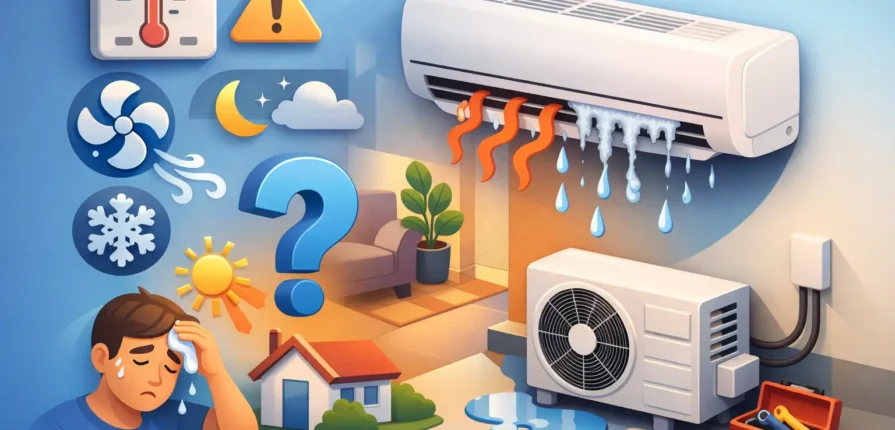
When your AC quits on a 90-degree Ohio afternoon, the question gets real fast – repair it again, or stop sinking money into a system that is already on its way out? The most common signs you need air conditioner replacement are not always a total breakdown. More often, they show up as higher bills, uneven cooling, repeat service calls, and a unit that just cannot keep up.
For homeowners and property managers, that matters because waiting too long usually costs more. You might pay for another repair, lose comfort during a heat wave, and still end up replacing the system anyway. The better move is knowing when repairs are still reasonable and when replacement is the smarter long-term call.
Signs you need air conditioner replacement instead of another repair
A lot of AC problems can be fixed. Capacitors fail. Contactors wear out. Drain lines clog. A good technician can handle those issues without pushing you toward a new system. But some patterns tell a different story.
Your system is 10 to 15 years old
Age alone does not automatically mean replacement, but it is one of the biggest factors. Most central air conditioners start showing their age in the 10 to 15 year range, especially if maintenance has been skipped or the system has run hard through several hot summers.
An older unit may still turn on and produce cool air, but that does not mean it is operating efficiently or reliably. Parts wear down together. Motors work harder. Coils get dirty and corroded. Refrigerant issues become more common. At a certain point, you are not dealing with one repair. You are dealing with an old machine that is more likely to need the next repair too.
Repairs are becoming regular, not occasional
One repair every few years is part of owning HVAC equipment. Two or three service calls in the same cooling season is a warning sign.
If your AC has needed a fan motor this year, struggled with low refrigerant last year, and now has electrical issues, the system is telling you something. Even if each repair seems manageable by itself, the total cost adds up fast. More important, repeated breakdowns mean you cannot count on the equipment when you need it most.
For many property owners, reliability is the deciding factor. A system that fails during tenant occupancy, a family gathering, or a stretch of extreme heat creates more than just discomfort.
Your energy bills keep climbing
A sudden jump in summer utility costs often points to a struggling air conditioner. As systems age, they lose efficiency. They may run longer cycles to hit the same thermostat setting, or they may short cycle and waste energy without cooling the house evenly.
Higher energy bills do not always mean you need a replacement. Dirty filters, duct leaks, thermostat issues, and lack of maintenance can all hurt performance. But if the system has been serviced and your bills still keep rising year after year, replacement starts to make sense.
A newer unit can lower operating costs, but savings depend on the condition of the old system, the size of the home, insulation levels, and how long you plan to stay in the property. It is not magic. It is a math problem, and sometimes that math favors replacement.
Comfort problems that point to a failing AC
A lot of homeowners call because the AC is technically running, but the house still does not feel right. That is often where the strongest signs show up.
Some rooms are cool and others never catch up
Uneven temperatures can come from ductwork problems, insulation gaps, or poor system design. But they can also mean your air conditioner is no longer moving air or removing heat the way it should.
If upstairs rooms stay warm, back bedrooms feel stuffy, or the system runs nonstop without evening things out, the unit may be losing capacity. That is especially common in older systems with worn compressors or coil issues.
A technician should always confirm the root cause before recommending replacement. Sometimes the fix is in the duct system, not the condenser. Still, if the equipment is old and comfort has dropped off across the house, replacement deserves a serious look.
Weak airflow is becoming the norm
Weak airflow can come from a clogged filter or blower problem, but it can also point to a system that is simply wearing out. If vents barely push cool air even after basic maintenance has been handled, the AC may no longer be able to deliver the performance it once did.
That matters because weak airflow makes the whole system work harder. Rooms take longer to cool. Humidity stays high. The thermostat gets lowered, which only adds more strain.
Humidity is staying high indoors
A healthy air conditioner should do more than cool the air. It should also remove moisture. If your home feels sticky even when the AC is running, the system may be oversized, improperly cycling, or losing its ability to dehumidify effectively.
In central Ohio, muggy indoor air can make a 74-degree house feel uncomfortable. You may notice condensation around vents, a damp feeling in certain rooms, or a general sense that the air feels heavy. That is not something to ignore, especially if your system is older and already struggling in other ways.
Mechanical and safety issues you should not brush off
Some AC warning signs are more than comfort problems. They can point to serious wear or expensive failure ahead.
The unit is making louder or stranger noises
Air conditioners make some normal operating noise. What you do not want to hear is grinding, banging, squealing, rattling, or buzzing that gets worse over time.
Those sounds can mean loose components, motor trouble, compressor wear, or failing internal parts. In some cases, a repair solves it. In others, especially with older equipment, noise is a sign the system is nearing the end.
You are dealing with refrigerant problems
If your older system uses R-22 refrigerant, replacement is often the smarter financial choice. R-22 has been phased out, which makes it harder and more expensive to source. If that unit develops a refrigerant leak, you are not just paying for a repair. You may be paying premium prices to keep outdated equipment limping along.
Even with newer refrigerants, leaks are not minor issues. Recharging the system without fixing the leak is not a real solution. If the coil is leaking and the unit is already older, replacement may cost less in the long run than repeated refrigerant work.
Moisture, leaks, or electrical issues keep showing up
Water around the indoor unit can come from a clogged condensate line, but it can also signal bigger problems. Electrical issues like tripped breakers, burnt smells, or intermittent startup are also worth taking seriously.
Not every leak or electrical problem means the whole AC has to go. But when these issues happen alongside age, poor cooling, and repeated repairs, replacement becomes easier to justify.
When repair still makes sense
Not every struggling AC should be replaced. If the system is relatively new, has been maintained, and the problem is isolated, repair is usually the better call.
The key is cost versus remaining life. Spending a few hundred dollars on a repair for a 6-year-old system is very different from spending a large amount on a 14-year-old unit with a history of problems. A trustworthy contractor should explain both paths clearly, not pressure you into the more expensive option.
That is where a real inspection matters. You want to know the condition of the compressor, coil, blower, electrical components, refrigerant charge, and overall airflow before deciding.
What to consider before replacing your air conditioner
If you are seeing several signs you need air conditioner replacement, do not focus only on the price of the new unit. Look at the bigger picture.
Think about repair frequency, monthly energy costs, comfort issues, and whether the current system is sized correctly for the home. If your AC has always struggled, replacement is a chance to fix the root problem instead of repeating the same summer frustration every year.
It is also worth thinking about timing. Replacing a failing system before it completely dies gives you more control. You can compare options, schedule the work at a better time, and avoid making a rushed decision during an emergency call.
For homeowners in places like Lewis Center, Sunbury, and nearby communities, that can make a big difference during peak summer demand when everyone wants service at once.
A good replacement should improve more than just temperature. It should give you steadier comfort, lower stress, and fewer surprises when the weather turns hot.
If your AC is older, louder, less reliable, and costing more to run, it may already be making the decision for you. The smart move is getting it looked at before the next breakdown picks the timing for you.
Recent Comments