
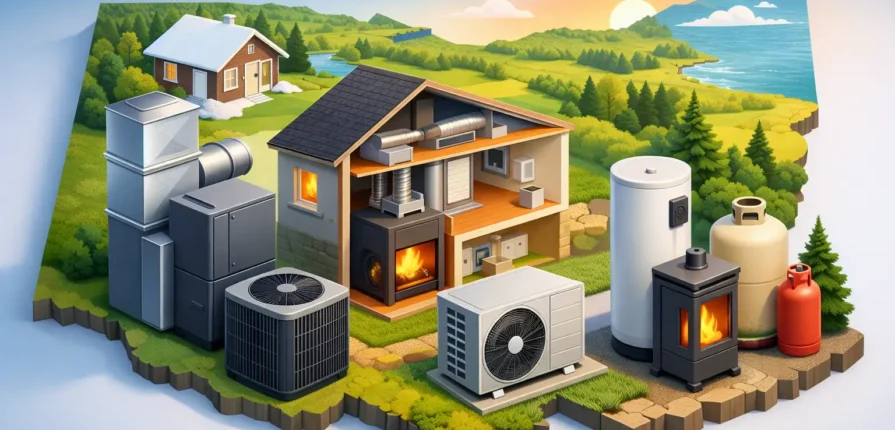
A central Ohio winter can turn a small heating problem into a real emergency fast. When temperatures drop below freezing and the wind picks up, homeowners need equipment that can keep up without driving utility bills through the roof. The best heating systems for Ohio are not always the same for every home. Your insulation, fuel access, ductwork, budget, and long-term plans all matter.
For most homes in Delaware County and surrounding communities, a properly sized high-efficiency furnace remains the most dependable choice. But heat pumps, boilers, and dual-fuel systems can be smart options in the right situation. Here is a straightforward look at what works, where each system has limits, and what to consider before installing new equipment.
Best Heating Systems for Ohio: What Matters Most
Ohio weather asks a lot from a heating system. We can have mild fall days, a sharp cold snap in November, and stretches of below-freezing temperatures in January and February. That means reliability matters just as much as the efficiency rating on the equipment label.
Before choosing a system, start with the home itself. A heating unit that is too small may run constantly and still leave rooms cold. A unit that is too large can short-cycle, create uneven temperatures, and wear out sooner. A professional load calculation looks at square footage, insulation, windows, ceiling height, duct condition, and more. It is a better starting point than simply replacing your old furnace with the same size.
Fuel availability also affects the decision. Natural gas is common across many central Ohio neighborhoods and usually makes a gas furnace an economical option. Homes without gas service may be better suited for a heat pump with electric backup, a propane furnace, or another setup based on the property’s needs.
High-Efficiency Gas Furnaces: The Reliable Ohio Standard
For many Ohio homeowners, a high-efficiency natural gas furnace is still the best all-around heating solution. Modern furnaces commonly offer annual fuel utilization efficiency, or AFUE, ratings of 90% to 98%. In plain terms, a higher AFUE rating means more of the fuel you buy is turned into usable heat instead of going out the vent.
A furnace is a strong choice when your home already has ductwork and natural gas service. It produces hot air quickly, handles bitter cold well, and works with a central air conditioner. That matters during an Ohio cold spell, when dependable heat is not something you want to gamble on.
Two-stage and variable-speed furnaces are worth considering for homeowners who want steadier comfort. Instead of running at full blast every time the thermostat calls for heat, these systems can operate at lower output for longer periods. The result is often more even temperatures, quieter operation, and less of that hot-then-cold feeling between cycles.
The trade-off is upfront cost. A basic furnace may cost less to install, but a higher-efficiency model can lower fuel use over time. The right choice depends on how long you expect to stay in the home, your current energy costs, and the condition of your ducts.
When a Furnace Makes the Most Sense
A gas furnace is usually a practical fit if you have reliable natural gas service, existing forced-air ductwork, and a system that must perform through the coldest days of winter. It is also often the simplest replacement when an older furnace has reached the end of its service life.
Heat Pumps: Efficient Heating and Cooling in One System
Heat pumps have become a serious option for Ohio homes, not just a warm-climate solution. Instead of creating heat by burning fuel, a heat pump moves heat from outside air into your home. Even cold outdoor air contains some usable heat, and modern cold-climate models can operate effectively at lower temperatures than older equipment.
The biggest benefit is year-round use. A heat pump provides heating in winter and air conditioning in summer, which can simplify your HVAC setup. It can also reduce energy use during the milder parts of fall, winter, and spring.
Still, heat pumps need an honest discussion in Ohio. Their efficiency drops as outdoor temperatures fall, and some homes will need supplemental heat during deep freezes. That backup may be electric heat strips, a gas furnace, or another heat source. If the system is poorly sized or the home has air leaks and weak insulation, comfort can suffer.
For a newer, tightly sealed home, a cold-climate heat pump may be an excellent primary system. For an older home with drafty rooms or limited electrical capacity, improvements may be needed before a heat pump delivers the results you expect.
Dual-Fuel Systems: A Smart Middle Ground
A dual-fuel system pairs an electric heat pump with a gas furnace. During mild and moderately cold weather, the heat pump handles heating efficiently. When outdoor temperatures reach a set point where gas heat makes more sense, the furnace takes over.
This setup gives homeowners efficient electric heating when conditions are favorable and the strong, fast heat of a furnace when Ohio weather gets rough. It is one of the best heating system options for homeowners who want flexibility without relying on electric backup heat during the coldest part of winter.
Dual-fuel systems cost more upfront because they combine two types of equipment. They also need proper controls and professional installation. But for homeowners replacing both an aging furnace and air conditioner, the investment can make sense, especially if comfort, energy use, and winter reliability are all priorities.
Boilers and Radiant Heat: Best for Homes Built Around Them
Boilers heat water and send it through radiators, baseboard units, or radiant-floor tubing. They are common in some older Ohio homes and can provide quiet, even comfort without blowing air through ducts.
If your home already has a well-maintained boiler system, replacing an old boiler with a modern high-efficiency unit can be a good move. Radiant floors are especially comfortable underfoot in bathrooms, basements, and additions.
Installing a boiler in a home that has never had one is a different matter. Adding piping, radiators, or radiant tubing can be expensive and disruptive. A boiler generally makes the most sense when you are maintaining an existing hydronic system or planning a major renovation where the work can be done efficiently.
Do Not Overlook Ductwork, Insulation, and Maintenance
Even the best heating equipment will struggle if the rest of the home is working against it. Leaky ducts can send heated air into an attic, crawlspace, or unfinished basement instead of the rooms where your family needs it. Dirty filters restrict airflow, and neglected furnaces can lose efficiency or develop safety concerns.
Before replacing a heating system, have the ductwork inspected and ask whether rooms have persistent hot or cold spots. In some cases, duct repairs, added returns, air sealing, or insulation improvements can make a major difference. These fixes may also allow a smaller, less expensive heating system to do the job correctly.
Preventive maintenance matters after installation, too. Annual furnace or boiler service can catch worn parts, venting issues, drainage problems, and ignition concerns before they become a no-heat call on the coldest night of the year. Heat pumps need seasonal service as well, especially because they operate in both heating and cooling modes.
How to Choose the Right System for Your Property
Start with the age and condition of your current equipment. If a repair is minor and your system has years of useful life left, repair may be the sensible call. If breakdowns are becoming frequent, the heat exchanger is compromised, or your energy bills keep rising, replacement deserves a closer look.
Then consider your home’s fuel source and layout. A gas furnace is often the straightforward answer for a ducted home with natural gas. A heat pump can be a strong choice for efficient all-electric comfort. A dual-fuel system works well for homeowners who want heat-pump efficiency without sacrificing dependable gas heat during severe weather. Boilers remain a practical choice for properties already designed around radiant or hydronic heating.
Do not choose based on equipment price alone. Ask for a written estimate that explains the system size, efficiency level, warranty, installation work, and any recommended duct or electrical upgrades. A lower initial quote can become costly if corners are cut on sizing, airflow, drainage, venting, or commissioning.
For homeowners who want a clear answer without sales pressure, Professional Trade Service can inspect the full system, explain the options in plain language, and help match the equipment to the home. The goal is not the most expensive system on paper. It is dependable heat, reasonable operating costs, and equipment that is ready when an Ohio winter puts it to work.
When you are weighing a repair against replacement, act before the first hard freeze if you can. You will have more time to compare options, schedule installation, and make a decision based on what fits your home rather than what is available during an emergency.
Recent Comments