
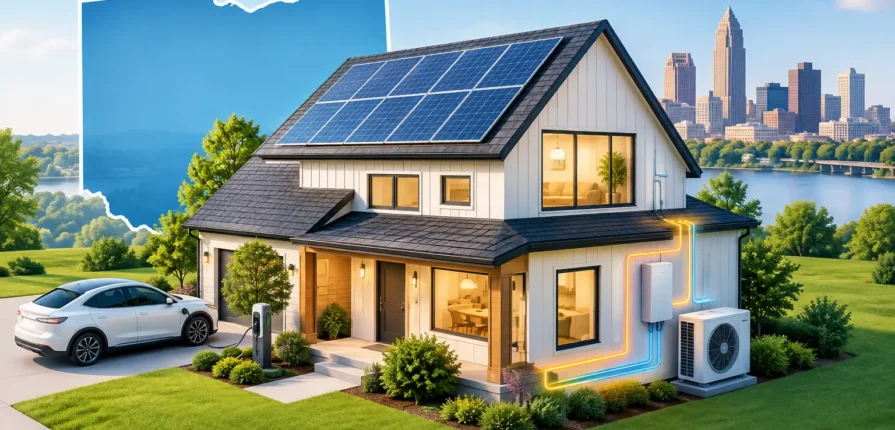
A furnace that is nearing the end of its life, an air conditioner that struggles through July, and a crowded electrical panel are not separate problems. For many homeowners, they are the starting point for home electrification: replacing gas-powered equipment with efficient electric systems while making sure the home can safely support them.
That does not mean ripping out every appliance at once. It means making a practical plan around equipment that is already due for replacement, the way your house is wired, and what will deliver a real payoff in comfort and operating costs. In central Ohio, where winter heating demand matters just as much as summer cooling, the order of upgrades can make a big difference.
What Home Electrification Actually Means
Home electrification is the process of using electricity instead of fossil fuels for the systems that run your home. The most common projects include installing a heat pump for heating and cooling, switching to a heat pump water heater, adding an induction range, upgrading the electrical panel, or preparing for an electric vehicle charger.
The goal is not simply to add more electrical equipment. A good plan improves comfort, reduces wasted energy, and avoids the expensive mistake of installing new equipment on an undersized electrical system.
For some homes, the first project is a high-efficiency heat pump. For others, it is panel work, air sealing, or replacing old ductwork. The right answer depends on the house, not a one-size-fits-all checklist.
Start With the Heating and Cooling System
HVAC is usually the biggest part of a home electrification plan because heating and cooling account for a large share of a home’s energy use. If your air conditioner is old and your furnace is becoming unreliable, replacing them with a properly sized heat pump may be worth serious consideration.
A heat pump moves heat rather than creating it through combustion. In summer, it works like an air conditioner by moving heat out of the home. In winter, it pulls available heat from outdoor air and brings it indoors. Modern cold-climate equipment can operate effectively during Ohio winters, but system selection and installation quality matter.
A heat pump is not automatically the best answer for every household. Homes with poor insulation, leaky ducts, or major comfort problems may need building-envelope work first. A home with an existing gas furnace in good condition may also benefit from a phased approach rather than immediate replacement. In some cases, a dual-fuel setup that uses a heat pump most of the time and a gas furnace during the coldest weather is the practical choice.
The important part is getting an honest load calculation. Oversized HVAC equipment can short-cycle, waste energy, and leave rooms uncomfortable. Undersized equipment can run constantly when temperatures drop. A professional evaluation should account for the home’s size, insulation, windows, duct system, and actual heating and cooling needs.
Do Not Overlook Ductwork
New equipment cannot fix ductwork that is undersized, leaking, disconnected, or poorly balanced. If one bedroom is always too warm in summer or a back room stays cold in winter, the issue may be airflow rather than the furnace or AC unit itself.
Before installing a heat pump, have the ducts inspected. Sealing leaks, correcting return-air problems, and balancing airflow can help the new system perform the way it should. This work is not as visible as a new outdoor unit, but it often makes a noticeable difference in comfort.
Check Electrical Capacity Before Adding Major Loads
A heat pump, heat pump water heater, electric range, dryer, and EV charger can add significant demand to your electrical system. That is why panel capacity should be reviewed before a large electrification project begins.
Many older homes have 100-amp service, limited breaker space, outdated wiring, or panels that were never designed for several high-demand appliances. That does not always mean a full service upgrade is required. Sometimes the solution is a subpanel, a load-management device, or a better plan for which equipment is installed first. But it needs to be evaluated before equipment is ordered.
Electrical work is not the place for guesswork. A qualified technician should inspect the main panel, service entrance, grounding, available capacity, and condition of existing wiring. This step protects your home, helps prevent nuisance breaker trips, and keeps a new HVAC system from becoming an electrical headache.
The Best Upgrades Are Often Timed With Replacements
Home electrification makes the most financial sense when it is tied to equipment that already needs attention. If your water heater is leaking, your AC repair estimate is growing, or your furnace needs frequent service, that is a good time to compare replacement options.
Waiting until a system fails on the coldest night of the year can force a rushed decision. You may choose whatever is available instead of the system that best fits your home and budget. Planning ahead gives you time to understand electrical requirements, compare operating costs, and schedule work when it is convenient.
A sensible sequence may look like this: address air leaks and insulation concerns, evaluate the electrical panel, replace aging heating and cooling equipment, then add other electric appliances as they wear out. Your home may need a different order, especially if an EV charger or panel replacement is already a priority.
Comfort Improvements That Support Electrification
Electric equipment performs best when the home holds conditioned air where it belongs. Before spending heavily on new mechanical systems, look for common sources of energy loss: attic air leaks, inadequate insulation, drafty doors, poorly sealed ductwork, and uninsulated hot-water pipes.
These improvements are not glamorous, but they reduce the strain on your HVAC equipment. A tighter, better-insulated home may need a smaller system, which can lower installation costs and improve temperature control. They also help whether you keep gas appliances for now or move to electric equipment over time.
Smart thermostats can also help, but they are not a cure for equipment problems. If the system is improperly sized, the ducts are leaking, or the thermostat is installed in a poor location, a smart device will not solve the root cause.
Questions to Ask Before You Commit
Before approving a major upgrade, ask for clear answers about system sizing, electrical needs, expected installation work, and how the new equipment will handle cold weather. You should also ask whether your ducts need repair or modification and whether the proposal includes permits, startup testing, and a walkthrough of the new system.
Be cautious about promises of dramatic savings without a close look at your house. Utility rates, gas costs, insulation levels, equipment efficiency, and thermostat settings all affect the final numbers. The best contractor will explain the trade-offs plainly instead of pushing the most expensive option.
For homeowners in Sunbury, Lewis Center, Powell, and nearby communities, local weather should be part of the conversation. Equipment that performs well in mild climates may need a different design strategy for Ohio’s cold snaps.
A Practical Way to Get Started
You do not need to turn your entire house electric this year. Start with an HVAC and electrical assessment, especially if your furnace or air conditioner is aging. That gives you a clear picture of what is working, what is nearing failure, and what upgrades should be planned together.
Professional Trade Service can help homeowners evaluate heating, cooling, ductwork, and electrical needs in one visit, so decisions are based on the condition of the whole home rather than a sales pitch for one piece of equipment. The right plan should fit your budget, solve current comfort problems, and leave room for future upgrades.
A well-planned project is usually less stressful than an emergency replacement. If your equipment is showing its age, now is a good time to find out what your home can support before the next breakdown makes the decision for you.
Recent Comments