
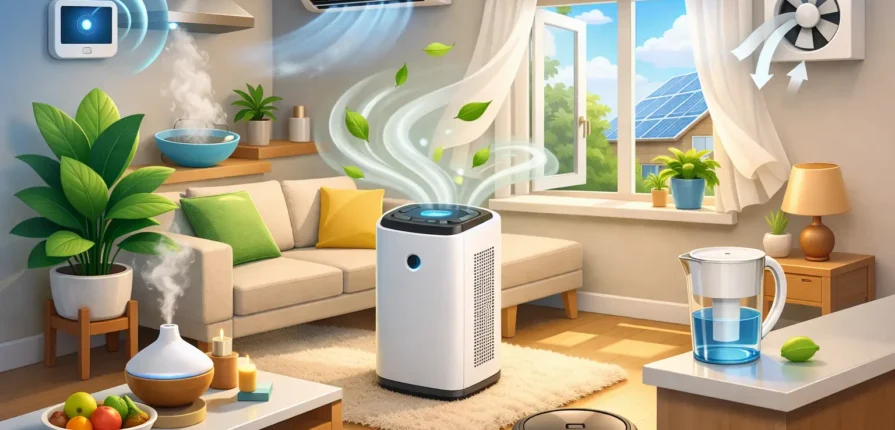
A stuffy bedroom, lingering cooking smells, extra dust on the furniture, or allergy symptoms that flare up indoors can all point to the same problem: the air inside your home needs attention. The best ways to improve air quality are usually practical, not complicated. Start with the equipment that moves air through the house, then control the moisture, dust, and pollutants that build up day after day.
For homeowners and property managers, clean indoor air is about more than comfort. It can affect sleep, respiratory irritation, odors, HVAC performance, and the amount of cleaning your space seems to require. The goal is not to make a home sterile. It is to reduce the contaminants that should not be hanging around and make sure your heating and cooling system is doing its job.
Start With Your HVAC Filter
Your furnace or air handler filter is one of the first places to look. It catches dust, lint, pollen, pet dander, and other airborne particles before they circulate through your living space and HVAC equipment. But a filter only works when it is clean, properly sized, and installed the right way.
Check the filter monthly during heavy heating and cooling seasons. Many homes need a replacement every one to three months, though that depends on the filter type, whether you have pets, how many people live in the home, and how often the system runs. A home with two dogs and allergy sufferers will usually need more frequent filter changes than a lightly occupied home.
Do not assume the most restrictive filter is always the best choice. High-MERV filters can capture smaller particles, but some systems are not designed to handle a major airflow restriction. If airflow drops too low, your system can work harder, lose efficiency, and develop comfort problems. A qualified HVAC technician can recommend a filter rating that balances cleaner air with proper system operation.
Keep Humidity in the Right Range
Humidity has a direct effect on indoor air quality. Too much moisture can support mold growth, dust mites, musty odors, and damp conditions around windows, basements, bathrooms, and crawl spaces. Too little humidity can make your nose and throat feel dry and can aggravate static electricity and irritated skin.
For most homes, indoor relative humidity between 30% and 50% is a reasonable target. A simple hygrometer can help you see where you stand. In central Ohio, summer humidity is often the bigger challenge. Your air conditioner removes some moisture as it cools, but an oversized AC unit can cool the home too quickly and shut off before it has time to dehumidify properly.
Use bathroom exhaust fans during showers, run the range hood while cooking, and repair plumbing leaks quickly. If a basement stays damp, a properly sized dehumidifier may help. On the other hand, if winter air becomes uncomfortably dry, a whole-home humidifier can be a better long-term solution than running several small portable units. It needs regular maintenance, though. A neglected humidifier can become a source of mineral buildup or microbial growth.
Clean Where Dust Actually Collects
Dust does not stay on shelves. It settles into carpet, upholstery, bedding, return-air grilles, ceiling fan blades, blinds, and the space around your HVAC equipment. Once it is disturbed, it can become airborne again.
Vacuum regularly with a vacuum that has a sealed system and a quality filter, especially in homes with pets or carpets. Wash bedding weekly in hot water when allergies are a concern. Use a damp cloth or microfiber cloth for surfaces instead of dry dusting, which can send fine particles back into the room.
Pay attention to return vents. They should be clear of furniture, boxes, and heavy dust buildup so your system can pull air back efficiently. You can carefully vacuum the visible grille, but do not reach into ductwork with tools that could damage components or loosen debris.
Use Ventilation Wisely
Fresh outdoor air can help dilute indoor pollutants, but opening windows is not always the right answer. It depends on the season and outdoor conditions. On a mild day with low pollen and good outdoor air quality, opening windows for a short period can help clear out odors and stale air.
During high-pollen days, wildfire smoke events, heavy traffic pollution, or extreme humidity, open windows may make indoor air worse. Check local air conditions before relying on natural ventilation. If someone in the home has asthma, severe allergies, or other respiratory concerns, that decision deserves extra care.
Use exhaust ventilation where pollutants are created. Run the kitchen hood when frying, searing, or using a gas range. Run bath fans during showers and for about 20 minutes afterward. The fan must vent outdoors to do its job. A bathroom fan that simply moves humid air into an attic or another enclosed area can create a moisture problem somewhere else.
Reduce the Pollutants You Bring Inside
Some of the biggest indoor air quality improvements come from reducing sources instead of trying to filter everything afterward. Smoke, aerosols, harsh cleaners, scented candles, air fresheners, and certain hobby materials can release particles or volatile organic compounds into the air.
You do not have to throw out every scented product in your home. Just use them with common sense. Choose low-odor cleaning products when possible, keep paints and chemicals sealed in an appropriate storage area, and never idle a vehicle in an attached garage. Carbon monoxide and other exhaust gases can enter the home even when the garage door is open.
A clean entryway also helps. Place durable mats inside and outside exterior doors, and ask family members and guests to remove shoes when practical. That simple habit can cut down on dirt, pollen, lawn chemicals, and other outdoor material tracked across floors.
Consider an Air Purifier for Specific Rooms
A portable air purifier can be helpful in a bedroom, nursery, home office, or other room where someone spends a lot of time. Look for a unit sized for the actual room, not just a small-area claim on the box. A purifier should have a clean air delivery rate appropriate for the space and should be used with replacement filters that are readily available.
For particle concerns such as dust, pollen, and pet dander, a HEPA-style or true HEPA filtration approach is usually the focus. For odors and some gases, activated carbon can help, but the amount of carbon matters. A thin carbon sheet may not do much for persistent odors.
Be careful with devices that intentionally produce ozone. Ozone can irritate lungs, particularly for people with asthma or other respiratory conditions. If a product makes broad claims about treating every air problem without regular filter changes or maintenance, be skeptical.
Schedule HVAC Maintenance and Address Airflow Problems
Your heating and cooling system is the backbone of your home’s air circulation. When it is dirty, poorly maintained, undersized, oversized, or struggling with airflow, the effects show up throughout the house. Rooms may feel uneven, filters may get dirty unusually fast, humidity may stay high, and dust can seem impossible to control.
Seasonal maintenance gives a technician the chance to inspect the blower, evaporator coil, drain line, electrical components, refrigerant performance, combustion safety, and overall airflow. A dirty coil or weak blower can reduce comfort and efficiency. A clogged condensate drain can contribute to moisture problems. On a furnace, combustion and venting issues are safety concerns that should never be ignored.
Duct cleaning is not automatically needed in every home. It may make sense after major remodeling, a pest issue, visible debris, or water damage, but it is not a substitute for filter changes and HVAC maintenance. If someone recommends duct cleaning as a cure-all, ask what specific condition they found and whether there is evidence of contamination.
Know When to Call for Help
Some air quality issues need more than a new filter. Call a professional if you notice persistent musty smells, visible mold, repeated condensation, unexplained allergy symptoms, weak airflow, uneven temperatures, or an AC system that runs but never seems to control humidity. If you smell gas, suspect carbon monoxide, or your CO alarm sounds, leave the area and follow emergency safety guidance immediately.
For homes in and around Delaware County, Professional Trade Service can inspect HVAC performance, identify airflow and humidity concerns, and help you choose practical improvements that fit your system and budget. Cleaner air starts with paying attention to what your home is telling you, then fixing the cause instead of covering up the symptoms.
Recent Comments