
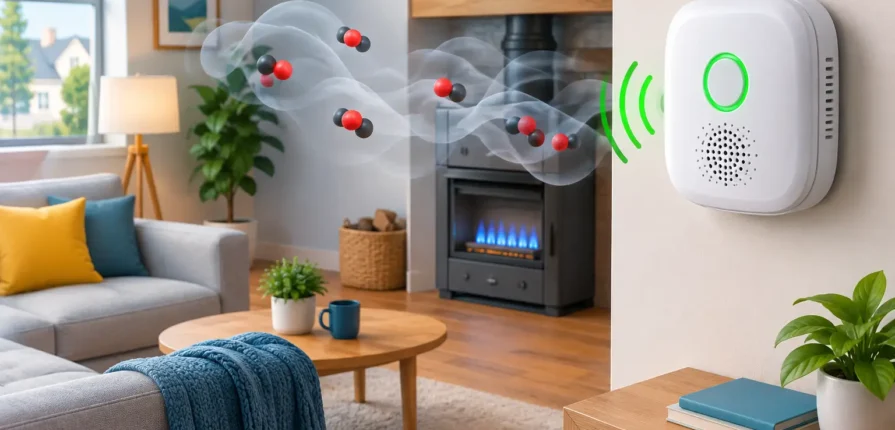
A carbon monoxide problem does not announce itself with a gas smell, smoke, or a visible leak. That is what makes it dangerous. If you are asking how to detect carbon monoxide, the straight answer is this: you need working carbon monoxide alarms, and you need to take any alarm or possible exposure seriously.
Carbon monoxide, often called CO, is a colorless, odorless gas created when fuel does not burn completely. Furnaces, fireplaces, water heaters, gas ranges, attached garages, generators, and other fuel-burning equipment can all become sources under the wrong conditions. A well-maintained system is far less likely to create a problem, but no homeowner should rely on smell or guesswork to find CO.
How to Detect Carbon Monoxide Before It Becomes an Emergency
A listed carbon monoxide alarm is the only practical way to detect CO inside a home before people start feeling sick. Think of it as a life-safety device, not another gadget on the wall. It measures carbon monoxide in the air and sounds an alarm when levels reach a dangerous threshold over a specified period.
Install alarms on every level of the home, including the basement, and outside each sleeping area. Larger homes may need additional alarms so occupants can hear them clearly from bedrooms. Follow the manufacturer’s placement instructions. In general, do not install an alarm directly beside a fuel-burning appliance, in a steamy bathroom, or near a window, supply vent, or fan that could interfere with the reading.
An alarm with battery backup is a smart choice. Winter storms and power outages are exactly when homeowners may use fireplaces, space heaters, or generators, and when an alarm still needs to work. Test every alarm monthly using its test button, replace batteries when required, and replace the complete unit by the date on its label. Many alarms last five to 10 years, but the instructions for your specific model control.
Do not confuse a smoke alarm with a carbon monoxide alarm. Some combination units detect both, but a smoke-only alarm will not warn you about CO.
Know the Signs of Carbon Monoxide Exposure
Carbon monoxide exposure can look a lot like the flu, a migraine, or simple fatigue. Common symptoms include headache, dizziness, nausea, weakness, confusion, chest pain, shortness of breath, and unusual sleepiness. Symptoms may improve when someone leaves the building and return after they come back inside.
A few patterns should get your attention quickly. If several people in the house feel sick at once, if symptoms appear mainly when the furnace or fireplace is running, or if pets suddenly seem weak or ill, get everyone outside to fresh air. Never wait around to see whether the feeling passes.
Young children, older adults, pregnant people, and anyone with heart or breathing conditions can be affected more severely. Sleeping people may not notice early symptoms at all. That is why properly placed alarms matter so much.
What to Do When a CO Alarm Sounds
Treat a carbon monoxide alarm as a real emergency until trained responders determine otherwise. Do not silence it and go back to bed. Do not open a window, reset the alarm, and assume the danger is gone.
Get every person and pet outside immediately. Once you are in fresh air, call 911 or your local fire department. If anyone has symptoms, seek medical help right away. Do not reenter the building until emergency personnel say it is safe.
After the immediate danger has been handled, the source still needs to be found and corrected. A furnace with a damaged heat exchanger, a blocked vent, an improperly adjusted burner, or a failed draft system is not a do-it-yourself diagnosis. The same goes for a water heater or fireplace venting issue. A qualified HVAC technician can inspect the equipment, venting, combustion, and safety controls before the system is used again.
A chirping alarm is different from a full alarm pattern, but it still deserves attention. It may indicate a low battery, an expired device, or a fault. Check the owner’s manual for the sound pattern. Never assume a full emergency alarm is only a battery issue.
Common CO Sources Homeowners Overlook
Most carbon monoxide calls trace back to a fuel-burning appliance or an engine running too close to the home. During cold Ohio weather, furnaces and fireplaces naturally get the most attention. But the trouble can come from other places too.
Never run a generator, pressure washer, charcoal grill, camp stove, or gas-powered tool in a garage, basement, porch, or other enclosed or partly enclosed area. A generator belongs outdoors and well away from doors, windows, and vents. Opening the garage door does not make it safe to run a vehicle or engine inside.
A car warming up in an attached garage can also push carbon monoxide into the house. Move the vehicle outside as soon as it starts, and never leave it running in the garage. Snow, leaves, bird nests, or damaged vent pipes can block exhaust from furnaces and water heaters, so exterior vent terminations should be checked regularly, especially after severe weather.
Gas appliances do not automatically mean there is a CO problem. Properly installed, vented, and maintained equipment should operate safely. The risk rises when equipment is old, damaged, dirty, poorly vented, or neglected.
Prevention Starts With HVAC Maintenance
The best carbon monoxide detector is essential, but it is only one part of the protection plan. Annual service for a gas furnace, boiler, fireplace, or water heater gives a technician the chance to spot problems before they turn into a safety call.
A proper heating inspection goes beyond changing a filter. The technician should check the burner operation, heat exchanger condition, vent piping, draft, gas connections, ignition components, and safety controls. They may also test combustion and look for signs of backdrafting or incomplete burning. If a problem is found, shut the equipment down until it is repaired.
Homeowners can help between visits by keeping furnace filters clean, keeping storage and combustible materials away from heating equipment, and making sure outdoor intake and exhaust pipes stay clear. Do not tape, block, or modify vents to stop a draft or reduce noise. Those shortcuts can create a much bigger problem.
For homeowners and property managers in the Sunbury area, a seasonal heating check is a practical way to protect occupants, avoid midwinter breakdowns, and catch venting concerns early. Professional Trade Service can inspect heating equipment and help identify whether a furnace or other appliance needs repair before it is put under heavy use.
When to Call for Help
Call for emergency help first when a carbon monoxide alarm is sounding or anyone may have been exposed. Once the home has been cleared, call an HVAC professional to inspect the likely source. If you notice soot near an appliance, moisture around vent pipes, a damaged flue, yellow or unstable burner flames, or recurring alarm events, schedule service promptly even if the alarm is not currently sounding.
Carbon monoxide safety comes down to a few dependable habits: use working alarms, leave immediately when they sound, and keep fuel-burning equipment professionally maintained. That small amount of preparation can protect your home when a problem gives you no warning at all.
Recent Comments