
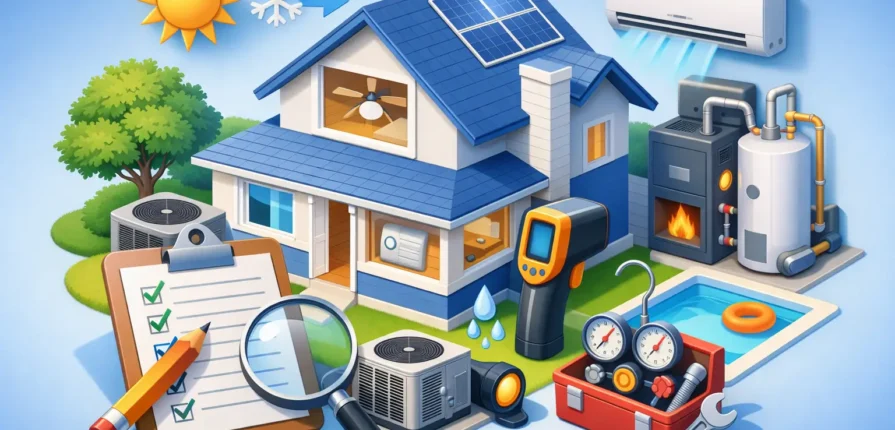
A hot Ohio afternoon is a bad time to find out your air conditioner cannot keep up. By then, repair schedules fill quickly, your house is already uncomfortable, and a small problem may have turned into a costly breakdown. A home comfort inspection before summer gives you time to find problems while they are still manageable.
For homeowners and property managers, this is not just an AC check. Your comfort depends on airflow, electrical safety, thermostat performance, drainage, and the condition of the equipment that carries heat out of your home. A thorough inspection helps you start the season with fewer surprises and a clearer picture of what needs attention now versus what can wait.
What a home comfort inspection before summer should cover
A proper seasonal inspection starts with the cooling system, but it should not stop at the outdoor unit. Your technician should look at how the system operates as a whole. An air conditioner can be mechanically sound and still leave rooms hot if airflow is restricted, ductwork is leaking, or the thermostat is not communicating correctly.
The first part of the visit is usually a conversation. Are some rooms warmer than others? Has your electric bill climbed? Do you hear rattling, buzzing, or short cycling? Have you noticed water near the furnace or air handler? These details help narrow down issues that may not show up during a quick visual check.
Air conditioner operation and cooling performance
The outdoor condenser should be inspected for damaged components, loose wiring, dirty coils, and debris blocking airflow. Leaves, grass clippings, and mulch around the unit make it harder for the system to release heat. That raises operating pressure and forces the equipment to work longer.
Inside, a technician should check the evaporator coil, blower operation, refrigerant performance, electrical connections, capacitors, and contactors. Refrigerant is not something an AC normally uses up. If levels are low, there may be a leak that needs to be located and repaired rather than simply topped off.
Technicians also measure temperature change across the system and verify that the equipment is cycling correctly. A unit that starts and stops too often may have an electrical problem, thermostat issue, airflow restriction, or incorrect system sizing. There is no single cause, which is why diagnosis matters before repairs are recommended.
Filters, airflow, and duct concerns
A clogged filter is one of the simplest comfort problems to prevent, but it is easy to overlook. A dirty filter restricts airflow, makes the blower work harder, and can contribute to frozen coils. Check it monthly during heavy cooling use and replace it as needed based on the filter type, pets, dust levels, and household activity.
Airflow problems can also come from closed supply registers, blocked return vents, dirty blower components, or duct leaks. Closing vents in unused rooms may seem like a way to save money, but it can create pressure problems in many systems. If one bedroom stays warm every summer, the answer may be ductwork, insulation, return-air capacity, or sun exposure – not necessarily a new air conditioner.
Do not overlook electrical and drainage issues
Summer comfort places added demand on electrical components. A seasonal inspection is a good time to check that the disconnect near the outdoor unit is secure, electrical connections are in good condition, and the system is operating safely. Weak capacitors and worn contactors often show warning signs before they fail completely.
Your thermostat deserves attention too. Make sure it is level, programmed correctly, and reading the temperature accurately. If you use a smart thermostat, confirm that its settings match your household schedule. Constantly setting the temperature extremely low will not cool the home faster. It only makes the system run longer and can increase your energy use.
Condensate drainage is another common source of summer service calls. As your air conditioner removes humidity from indoor air, it produces water that needs to drain away properly. A clogged condensate line can cause water damage, high indoor humidity, shut down the system, or create odors near the air handler.
If your home has a condensate pump, it should be tested as well. This small component is easy to miss until it fails and water backs up. For homes with basements, finished lower levels, or mechanical rooms near stored belongings, catching a drainage issue early can prevent a much larger mess.
What you can check before scheduling service
There are a few useful steps homeowners can take without opening panels or attempting electrical work. Start by clearing leaves, branches, and stored items away from the outdoor unit. Give it room to breathe. Keep shrubs trimmed back and do not stack patio furniture, bags of mulch, or other materials against it.
Change the air filter if it is dirty. Then walk through the home while the cooling system is running. Check that supply vents are open, return vents are not blocked by furniture, and the thermostat is set to cooling mode. Listen for unusual noises and look for water around the indoor equipment.
Outside, look for ice on the refrigerant line or an unusually loud unit. Inside, pay attention to weak airflow, musty smells, warm air from the vents, frequent cycling, or humidity that will not go away. These symptoms do not always mean the system is failing, but they are worth reporting when you call.
Do not remove electrical covers, handle refrigerant, or use harsh cleaners on coils. Those jobs require the right tools and training. A quick DIY fix can damage equipment, create a safety risk, or hide the real problem until the hottest week of the year.
When an older system needs a closer look
Age alone does not decide whether an air conditioner should be repaired or replaced. A well-maintained system may provide dependable service for years, while a neglected newer unit can develop expensive problems early. The better question is whether the system is cooling reliably, operating efficiently, and facing a repair that makes financial sense.
If your AC is more than 10 to 15 years old, needs repeated repairs, uses an outdated refrigerant, or struggles to cool the home evenly, ask for an honest assessment. A repair may still be the right move. But if major components are failing and energy bills keep rising, replacement planning can be smarter than waiting for an emergency outage.
Sizing also matters. Bigger is not automatically better. An oversized air conditioner can cool the space too quickly without removing enough humidity, leaving the home clammy. An undersized unit may run constantly on hot days. A qualified comfort professional should consider the home, ductwork, insulation, windows, and usage patterns before recommending new equipment.
Why early scheduling pays off
Spring appointments give you options. You can schedule maintenance at a convenient time, compare repair choices, and plan for larger work without the pressure of a no-cooling emergency. Once temperatures climb, the same issue may require a faster decision and a longer wait for service.
Preventive service can also help protect manufacturer warranty requirements and reduce avoidable wear. It cannot guarantee that a part will never fail, but it can identify loose connections, failing capacitors, drainage concerns, and airflow restrictions before they cause a complete shutdown.
For homes in Delaware, Sunbury, Lewis Center, and nearby central Ohio communities, summer heat and humidity can expose weaknesses quickly. Professional Trade Service can inspect your cooling equipment, explain what is found in plain language, and help you decide on the right next step without guesswork.
A little attention before the first long heat wave can keep a minor issue from taking over your weekend. Schedule service while your system is still running, keep an eye on the warning signs, and give your home the best chance to stay cool when summer settles in.
Recent Comments