
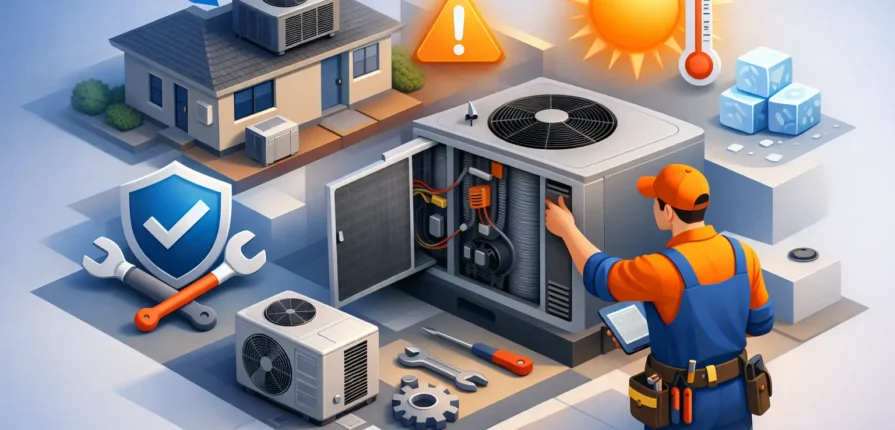
A furnace that quits during an Ohio cold snap or an air conditioner that stops on the first 90-degree day rarely feels like it came out of nowhere. Most major failures give warning signs first. Knowing how to avoid HVAC breakdowns means catching those small issues early, keeping airflow steady, and having a qualified technician inspect the parts you cannot safely see or test yourself.
Breakdowns cannot always be prevented. Parts wear out, storms cause damage, and older equipment eventually reaches the end of its service life. But regular attention can prevent many no-heat and no-cooling calls, reduce repair costs, and give you more control over when a replacement happens.
How to Avoid HVAC Breakdowns With Seasonal Care
Your heating and cooling system works hardest when outdoor temperatures are at their worst. That is why maintenance should happen before the season changes, not after your system has already been pushed to the limit.
Schedule an air conditioning tune-up in spring and a heating check before the cold weather settles in. A professional visit should include more than a quick look at the thermostat. Technicians can check electrical connections, test safety controls, clean key components, inspect drainage, measure system performance, and identify parts that are showing wear.
For homeowners and property managers, this timing matters. A weak capacitor, dirty flame sensor, loose wire, or partially blocked drain line may not stop the system today. Under heavy summer or winter demand, however, it can become the reason your equipment fails at the worst possible time.
Preventive service is also the right time to ask direct questions. Is the system operating efficiently? Are there parts likely to fail soon? Is a repair reasonable for the age and condition of the unit? Clear answers help you make a planned decision instead of reacting to an emergency.
Keep Airflow From Becoming a Bigger Problem
Restricted airflow is one of the most common causes of HVAC trouble, and it is one of the easiest problems to prevent. Your system needs a steady amount of air moving through it to heat or cool properly. When that airflow is limited, the equipment has to work longer and harder.
Start with the filter. Check it monthly and replace it when it looks dirty, especially during high-use months. The right interval depends on the filter type, whether you have pets, allergies, construction dust, or a busy commercial space. Many homes need a replacement every one to three months, but a filter should be checked rather than changed on a calendar without looking at it.
Do not assume a more restrictive filter is always better. High-efficiency filters can improve filtration, but some systems are not designed for the added resistance. If rooms have weak airflow after changing filters, ask an HVAC professional which filter rating fits your equipment.
Keep supply registers and return grilles open and clear. Furniture, rugs, curtains, and storage boxes can block airflow without anyone noticing. Closing too many vents can create pressure problems and uneven temperatures, particularly in older homes with ductwork that was not designed for zone control.
Outside, give the air conditioner room to breathe. Remove leaves, grass clippings, mulch, and weeds from around the outdoor unit. Avoid stacking items against it or building a tight enclosure around it. The unit needs open space to release heat, and blocked airflow can raise operating temperatures and strain the compressor.
Pay Attention to Small Changes in Performance
An HVAC system does not need to make a dramatic sound to be in trouble. The most useful warning signs are often subtle: rooms taking longer to cool, a furnace running more often than usual, new rattling or buzzing, uneven temperatures, or a utility bill that rises without a clear reason.
Moisture is another sign worth taking seriously. Water around an indoor unit can point to a clogged condensate drain, a frozen evaporator coil, or another issue that needs attention. Ignoring it can lead to water damage as well as equipment trouble.
For a gas furnace, watch for repeated cycling, delayed ignition, unusual smells, or a yellow burner flame instead of a steady blue flame. If you smell gas, leave the area, avoid switches and open flames, and contact your gas provider or emergency services as appropriate. Do not try to diagnose a possible gas leak on your own.
A thermostat that seems unreliable may be a simple battery or programming issue, but it can also expose a larger problem. If the thermostat says the system is running but the house is not heating or cooling, do not keep resetting it over and over. Repeatedly forcing a struggling system to run can turn a repairable issue into a more expensive one.
Protect the Electrical and Drainage Components
Heating and cooling equipment relies on more than motors and refrigerant. Electrical components, drain lines, switches, and safety controls all need to work together. A system can have a healthy compressor or furnace heat exchanger and still shut down because of a failed capacitor, corroded connection, tripped float switch, or blocked condensate line.
Homeowners can safely keep the area around indoor equipment clean and dry, make sure the condensate line outlet is not obviously blocked, and check that the outdoor disconnect has not been bumped or damaged. Beyond that, electrical and internal mechanical work belongs to a trained technician.
This is especially true if a breaker trips more than once. Resetting it one time after an obvious event may be reasonable. Repeated trips are a warning that should not be ignored. The cause could be an electrical fault, a failing motor, or an issue that creates a safety risk.
Whole-home electrical condition can matter, too. If your lights dim when the HVAC system starts, or you have older panels and frequent electrical issues, have the situation checked. A one-stop service provider can help coordinate HVAC and electrical concerns without leaving you to sort out which contractor to call first.
Use Your Thermostat Wisely
Big thermostat swings can put unnecessary demand on your equipment. Setting the thermostat to an extreme temperature will not cool or heat the home faster. It only makes the system run longer, and in some cases, it can contribute to short cycling or comfort problems.
Use a schedule that fits how the building is occupied. A modest adjustment when the home or business is empty can save energy, but avoid setting temperatures so far back that the system has to work for hours to recover. The right setting depends on insulation, equipment size, humidity levels, and how quickly your space loses heat or gains it.
If you install a smart thermostat, make sure it is compatible with your system. Heat pumps, multi-stage systems, and older wiring setups can require specific settings. Improper installation can cause poor performance or leave auxiliary heat running when it should not.
Know When Maintenance Is Not Enough
Maintenance extends equipment life, but it cannot make an aging system new again. If your air conditioner or furnace needs frequent repairs, struggles to keep up, or has an expensive major component failure, it may be time to compare repair costs with replacement options.
Age alone does not decide it. A well-maintained 12-year-old system may have useful life left, while a neglected unit can fail much sooner. Consider the repair cost, history of breakdowns, energy use, comfort issues, and the availability of replacement parts. For a rental property or commercial space, also consider the cost of downtime and tenant disruption.
A good contractor should explain the choices plainly. You deserve to know what is urgent, what can be monitored, and what a repair is likely to accomplish. Professional Trade Service brings more than 40 years of industry experience to these conversations, with maintenance, repair, installation, and emergency support available when the situation cannot wait.
A Practical Prevention Routine
The best prevention plan is simple enough to follow. Check filters regularly, keep vents and outdoor equipment clear, listen for changes, and schedule service before heating and cooling seasons. Do not wait for a complete shutdown to address weak airflow, water around the unit, strange noises, or inconsistent temperatures.
For property managers, put seasonal maintenance dates on the calendar and keep a record of repairs, filter changes, and tenant comfort complaints. Patterns matter. Three small calls about one wing of a building may point to ductwork, controls, or equipment capacity issues that deserve a closer look.
When your system starts acting differently, trust what you notice. Calling early often gives you more repair options, more scheduling flexibility, and a better chance of staying comfortable when central Ohio weather turns severe.
Recent Comments