
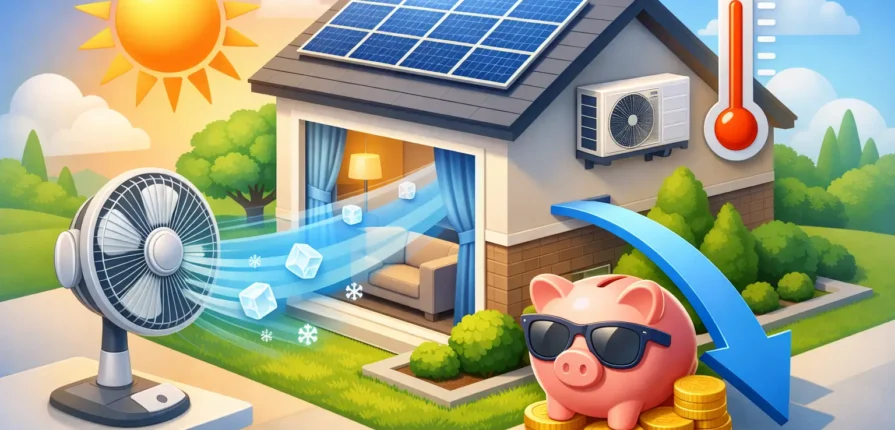
When the first real heat wave hits Ohio, a lot of homeowners get the same surprise – the house still feels sticky, but the electric bill jumps anyway. If you’re wondering how to lower summer cooling bills, the answer usually is not one big fix. It’s a handful of smart adjustments, plus making sure your air conditioning system is actually working the way it should.
The good news is that most high cooling bills leave clues. Maybe your AC runs all afternoon and barely catches up. Maybe certain rooms stay hot while others feel fine. Maybe your filter is clean, but the system still seems to struggle. Those issues matter because your monthly cost is tied to runtime, airflow, insulation, thermostat settings, and system condition all at once.
How to lower summer cooling bills without sacrificing comfort
A lot of people think the only way to save money is to keep the thermostat uncomfortably high. That can help, but it is not the whole picture. The real goal is to help your home hold cooled air better and help your AC deliver that air more efficiently.
Start with your thermostat settings. If you keep the house at 68 all summer, your system is going to work hard, especially during humid Ohio afternoons. Even moving the setting a few degrees higher can reduce energy use in a noticeable way. For many homes, 76 to 78 degrees when you’re home is a reasonable balance between comfort and cost. If the house is empty during the day, a programmable or smart thermostat can prevent your AC from cooling an empty building for hours.
That said, bigger setbacks are not always better. If you let the house get too hot, your system may need a long recovery period later. In some homes, especially older ones with weaker insulation or undersized equipment, that can erase part of the savings. The best setting depends on the house, the system, and how quickly it can recover.
Air filters are another common issue. A dirty filter restricts airflow, which forces your system to run longer and can put extra strain on components. Checking the filter every month during peak cooling season is simple, but it makes a difference. Some homes with pets, renovations, or heavier dust need replacement more often than homeowners expect.
The small problems that quietly raise your AC bill
High summer bills are often caused by a bunch of smaller losses that add up. One gap around a door will not wreck your budget. Neither will one sunny window. But combine air leaks, poor attic insulation, leaky ductwork, and an AC unit that is overdue for service, and your system starts fighting an uphill battle.
Sunlight is a big one. Rooms with west-facing windows can heat up fast in the afternoon, which makes the AC run longer. Closing blinds, curtains, or shades during the hottest part of the day can cut that heat gain without costing much. If certain rooms are always warmer, this is one of the first places to look.
Ceiling fans can help too, but only when people are in the room. Fans do not lower the room temperature. They help people feel cooler, which can let you raise the thermostat a couple of degrees without losing comfort. Just remember to turn them off when the room is empty, because the fan motor still uses electricity.
Appliances and household routines matter more than many people realize. Running the oven in the evening instead of late afternoon, using the dryer after sunset, and limiting long hot showers during peak heat can reduce the load on your cooling system. If the home is already warm, every extra heat source makes your AC work harder.
How to lower summer cooling bills by improving airflow
If cooled air cannot move through your house the right way, your system will run longer than it should. That is why airflow problems often show up as high bills before they show up as a full breakdown.
Make sure supply vents are open and not blocked by rugs, furniture, or curtains. It sounds basic, but it gets missed all the time. Return vents matter too. If returns are blocked, the system cannot pull air back properly, and overall performance drops.
Ductwork is another major factor, especially in older homes or properties with additions. Leaky ducts in attics, crawl spaces, or basements can dump conditioned air into areas that do not need cooling. That means you pay to cool spaces nobody uses while the living areas stay warm. In some homes, duct leakage is one of the biggest reasons the AC seems to run constantly.
Poor airflow can also point to a mechanical problem. A blower issue, dirty evaporator coil, low refrigerant, or frozen coil can all reduce performance. These are not guess-and-check repairs. If your filter is clean and vents are open but the system still struggles, it is time for a proper inspection.
Maintenance saves money before it feels urgent
A lot of expensive summer service calls start with an AC that was limping along for weeks. The unit still runs, so it gets ignored. Then the hottest day of the season hits and the system gives up.
Seasonal maintenance is one of the most practical answers to how to lower summer cooling bills because it addresses efficiency and reliability at the same time. A tune-up can catch worn capacitors, dirty coils, weak electrical connections, refrigerant issues, drainage problems, and other conditions that make a system work harder than necessary.
Dirty condenser coils are a good example. When the outdoor unit is coated with dirt and debris, it cannot reject heat as effectively. The system still runs, but it runs less efficiently. The same goes for an indoor coil with buildup on it. Your AC may be cooling, just not well.
Maintenance also helps protect equipment life. An air conditioner that short cycles, overheats, or runs under strain all season is more likely to need major repairs sooner. Spending a little to keep the system clean and properly adjusted often costs less than pushing it until something fails.
When your cooling bill points to a bigger system problem
Sometimes the issue is not habits or maintenance. It is the system itself. An older air conditioner can lose efficiency over time, especially if repairs have stacked up or if the equipment was never sized correctly for the home.
If your AC is 10 to 15 years old, needs frequent repairs, and still leaves hot spots around the house, it may be costing you more than you think. Newer systems are typically more efficient, but replacement is not an automatic answer. If the ductwork is poor, insulation is weak, or the thermostat is badly located, a new unit alone may not solve the whole problem.
This is where an honest inspection matters. A good contractor should be able to tell you whether the fix is maintenance, repair, duct improvement, thermostat adjustment, or full replacement. Homeowners do not need a sales pitch. They need to know what is actually driving the bill.
In central Ohio, humidity also plays a big role in comfort. A system that cools but does not remove enough moisture can leave the home feeling clammy, which leads people to lower the thermostat even more. That raises cost without really solving the comfort issue. Sometimes the answer is airflow correction or equipment adjustment, not just lower temperature settings.
Practical habits that help all summer
The best savings usually come from consistency. Keep filters changed, keep vents open, close blinds during peak sun, and use thermostat settings that are realistic for your home. If you have not had the system checked recently, do not wait for a breakdown to find out it has been running inefficiently all season.
It also helps to pay attention to changes in performance. If cooling cycles get longer, humidity rises indoors, or the outdoor unit sounds different than usual, those signs are worth checking early. Small issues are usually cheaper to deal with than major failures in the middle of July.
For homeowners and property managers, summer efficiency is really about control. You want a house or building that stays comfortable without draining your budget or putting you one hot afternoon away from an emergency call. That usually comes from routine maintenance, smart thermostat use, and fixing airflow or equipment issues before they get worse.
If your bill has climbed and the house still is not comfortable, there is probably a reason. Finding that reason early is often the fastest way to spend less and feel better the rest of the season.
Recent Comments