
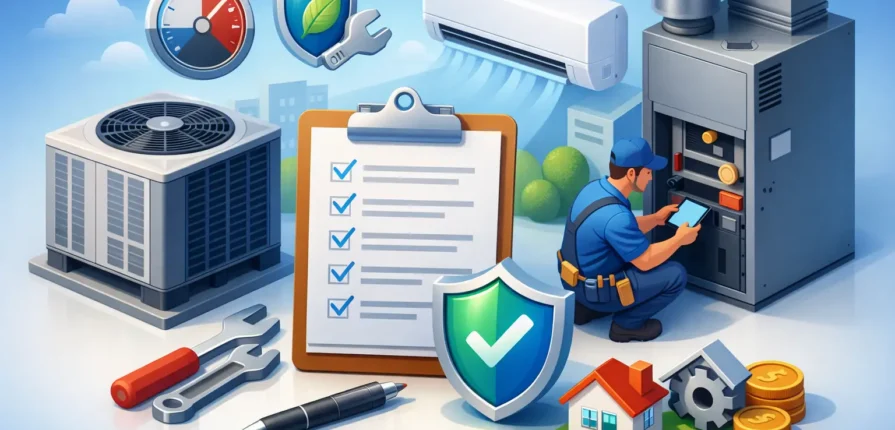
That air conditioner never seems to quit on a mild spring day. It quits on the first 90-degree weekend when every HVAC company in town is booked. That is exactly why homeowners and property managers ask about HVAC maintenance contract benefits before peak season hits. A good contract is not just a reminder card for a tune-up. It is a practical way to cut down surprise repairs, control operating costs, and keep your heating and cooling equipment working when you need it most.
For a lot of people, the question is simple: does a maintenance contract actually save money, or is it just another monthly expense? The honest answer is that it depends on the age of the system, how hard it runs, and how consistent service has been in the past. But in many homes and small commercial properties, regular maintenance pays for itself by catching problems early and helping equipment run more efficiently.
What HVAC maintenance contract benefits really mean
A maintenance contract usually includes scheduled inspections, seasonal tune-ups, cleaning, performance checks, and a closer look at wear-and-tear parts before they fail. Some plans also include priority scheduling, repair discounts, or reduced after-hours fees. The exact details vary, so the value comes down to what is covered and how thorough the service actually is.
The biggest mistake people make is assuming all maintenance plans are the same. They are not. A real preventative maintenance agreement should involve more than changing a filter and leaving in fifteen minutes. A proper visit checks system performance, electrical components, refrigerant levels when needed, airflow, safety controls, and the kind of small issues that turn into expensive calls later.
Fewer breakdowns when the weather is worst
The most obvious benefit is fewer unexpected failures. HVAC systems usually give warning signs before they stop working completely. A weak capacitor, a dirty condenser coil, a worn blower motor, or a loose electrical connection can often be found during a maintenance visit. If those problems are caught early, you have a much better chance of fixing them on your schedule instead of during an emergency.
This matters even more during Ohio summers and winters, when systems are under the most strain. When your furnace is running nonstop during a cold snap or your AC cannot keep up with high outdoor temperatures, even a small issue can turn into a full shutdown. A maintenance contract lowers the odds of that happening because the equipment gets checked before the season puts it to the test.
No company can promise a system will never break. Parts fail. Older units wear out. But regular service gives you better odds, and that matters when comfort, safety, and business operations are on the line.
Lower energy bills through better system performance
One of the most overlooked HVAC maintenance contract benefits is energy efficiency. Heating and cooling equipment that is dirty, out of adjustment, or struggling with airflow problems has to work harder to do the same job. That extra strain shows up on your utility bill.
A cleaned coil, proper airflow, tightened electrical connections, and correctly operating components all help the system run closer to how it was designed. If your filter is clogged, your blower is dirty, or your refrigerant charge is off, efficiency can drop fast. You may still get heating or cooling, but you are paying more for worse performance.
This is where maintenance makes a real difference over time. The savings may not look dramatic in one month, but across a full cooling season and a full heating season, improved efficiency can add up. For property managers with multiple units or business owners watching overhead, that matters.
Longer equipment life and fewer early replacements
Replacing an HVAC system is a major expense. If a maintenance contract helps you get a few more reliable years from your furnace or air conditioner, that alone can justify the cost.
Equipment lasts longer when moving parts are inspected, cleaned, lubricated where needed, and corrected before wear gets worse. Short cycling, restricted airflow, dirty burners, and neglected drain lines can all put extra stress on the system. Over time, that stress shortens equipment life.
That does not mean maintenance can save a system that is already near the end. If a unit is badly oversized, poorly installed, or simply worn out, regular service will not turn it into a new machine. What it can do is help you avoid premature failure caused by neglect. It also gives you better information about when to repair and when to start planning for replacement.
Better safety and fewer hidden problems
For heating equipment especially, maintenance is not just about comfort. It is also about safety. Furnaces need to be inspected for issues such as cracked heat exchangers, ignition problems, ventilation concerns, or unsafe operating conditions. Air conditioning systems and heat pumps also involve electrical components that should be checked for wear, overheating, or loose connections.
A maintenance visit can also uncover problems homeowners do not always notice right away, like clogged condensate drains, poor airflow, thermostat issues, or early signs of failing components. These are easy to ignore until they become expensive or disruptive.
If you manage rental property or commercial space, regular maintenance helps document that the system has been professionally serviced. That can help with planning, budgeting, and reducing complaints tied to comfort issues that have been building for months.
Priority service can matter more than people think
A lot of customers focus only on the tune-up itself, but priority scheduling is often one of the most valuable parts of a contract. When the first heat wave or hard freeze arrives, service calendars fill up fast. If your system goes down during that rush, being on a maintenance plan may help you get faster attention.
That is not a small perk. For a family with young kids, an elderly parent, or a home office that depends on stable comfort, waiting days for service can be a real problem. The same goes for small businesses trying to keep staff, tenants, or customers comfortable.
If your provider also offers emergency service, a maintenance agreement can make that relationship even more useful. You are not calling a stranger in a panic. You are working with a company that already knows your equipment history.
Maintenance contracts help with budgeting
Many customers do not like surprise expenses, and that is fair. A maintenance contract adds some predictability. You know when service is scheduled, you have a better shot at catching repairs early, and many plans include discounts that can reduce the sting of an unexpected part failure.
That does not eliminate repair costs altogether. If a compressor fails or a heat exchanger cracks, maintenance will not erase the expense. But it can reduce the number of smaller breakdowns that stack up when a system has been ignored for years. In practical terms, that usually means fewer emergency calls, fewer rushed decisions, and more time to plan for bigger repairs or replacement.
When a contract makes the most sense
Not every customer needs the same level of service. A newer system under manufacturer warranty may need maintenance mainly to protect efficiency and meet warranty requirements. An older system with a history of repairs usually benefits even more because it needs closer attention. Homes with pets, dust issues, long run times, or uneven temperatures also tend to benefit from regular service.
For landlords and property managers, a contract often makes sense because it creates a routine. Instead of waiting for tenant complaints, you can stay ahead of seasonal issues. For small commercial spaces, it helps reduce downtime and avoid comfort problems that affect employees and customers.
If you rarely use your system, have newer equipment, and stay on top of filter changes and service calls, the savings may be less dramatic. But even then, scheduled maintenance still provides peace of mind and professional oversight that most owners cannot do on their own.
What to ask before signing up
Before choosing a plan, ask what is actually included in each visit, whether both heating and cooling equipment are covered, and if there are discounts on repairs or diagnostic charges. Ask how priority service works during peak demand and whether the company tracks service history over time.
You should also ask how thorough the inspections are. A cheap plan is not much of a bargain if the visit is rushed and basic problems are missed. The goal is not just to check a box. The goal is to keep the system reliable, efficient, and safe.
Professional Trade Service works with homeowners and property managers who want that kind of practical support – not sales pressure, not vague promises, just dependable service that helps prevent problems before they turn into emergencies.
The best time to think about maintenance is when your system is still working fine. That is when you have options, time, and a better chance to avoid the call nobody wants to make on the hottest or coldest day of the year.
Recent Comments