
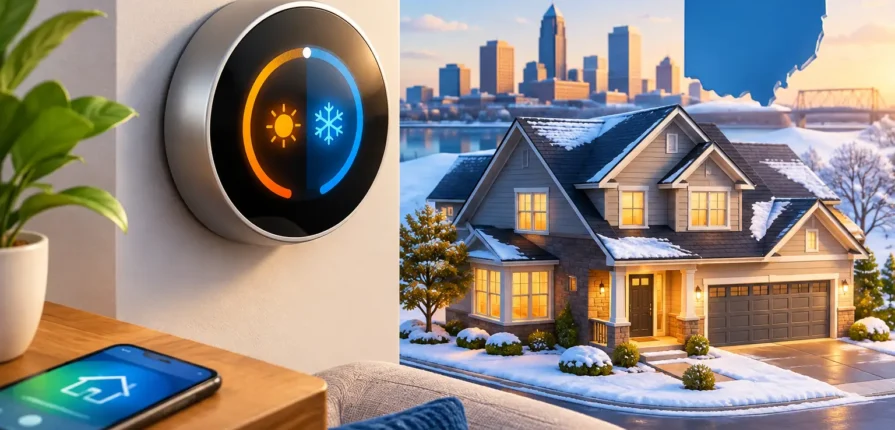
A thermostat that lets you change the temperature from your phone sounds convenient. It can be. But when an Ohio cold snap hits or the upstairs bedrooms will not cool down in July, convenience is not the main question. Homeowners need to know whether smart thermostats will actually improve comfort, lower wasted energy, and work correctly with the heating and cooling equipment already in place.
For many homes, the answer is yes. A smart thermostat can make daily temperature control easier and reduce unnecessary runtime. It is not a cure for an aging furnace, undersized air conditioner, leaky ductwork, or a system that already needs repair. The best results come from matching the thermostat to the home and making sure the HVAC system is operating the way it should.
What Smart Thermostats Actually Do
A standard programmable thermostat follows the schedule you enter. A smart thermostat can also connect to Wi-Fi, allow control through an app, and provide usage information. Many models can adjust temperatures based on occupancy, local weather, or the routines you set.
That does not mean the thermostat is making perfect decisions without your input. Some homeowners prefer automated schedules, while others want full control. The useful feature is the ability to make informed adjustments without standing in the hallway, especially when work schedules, travel, school activities, or seasonal weather keep changing.
A smart thermostat may help you:
- Adjust the temperature remotely when plans change.
- Set heating and cooling schedules around sleep, work, and weekends.
- Receive alerts about unusual system operation or temperature changes.
- Review energy reports that show when your equipment runs most.
- Use room sensors to help address hot or cold areas of the house.
The right features depend on the home. A family that is out of the house most weekdays may benefit from scheduling and occupancy settings. A homeowner who works from home may get more value from room sensors and better temperature control in the rooms used all day.
Can Smart Thermostats Lower Energy Bills?
They can, but the savings are not automatic. Smart thermostats reduce waste when they prevent the HVAC system from heating or cooling an empty home more than necessary. If you already keep a consistent schedule, use reasonable settings, and rarely forget to change the thermostat, the savings may be modest.
The biggest opportunity usually comes from avoiding unnecessary runtime. For example, lowering the heat while the house is empty during the day and bringing it back to a comfortable setting before everyone gets home can reduce energy use. The same idea applies to air conditioning in summer.
However, it is not always wise to make large temperature changes. In winter, allowing a house to get too cold can increase discomfort, put plumbing at risk during severe weather, and make recovery take longer. In summer, turning the air conditioner far up may leave the home humid when it is time to cool it down again. A practical schedule uses small, steady adjustments rather than extreme setbacks.
Energy reports can also reveal a problem worth addressing. If the system is running far longer than normal, cycling on and off repeatedly, or struggling to hold the set temperature, the thermostat may be showing you an HVAC issue, not causing one. A dirty filter, low refrigerant, weak airflow, duct leakage, or failing equipment can all drive up operating costs.
Compatibility Comes Before Features
Not every smart thermostat works with every heating and cooling system. Before buying one, check the type of equipment in your home and the wiring at the existing thermostat.
Many smart thermostats need a common wire, usually called a C-wire. This wire provides steady power to the thermostat. Some models can work without one by using an adapter or drawing limited power from the system, but that approach is not right for every setup. Poor wiring or incorrect installation can lead to blank screens, Wi-Fi disconnects, short cycling, or equipment that will not turn on when it should.
Compatibility matters even more with equipment such as heat pumps, dual-fuel systems, boilers, multi-stage furnaces, humidifiers, dehumidifiers, zoning systems, and variable-speed HVAC units. These systems often need specific thermostat settings to operate efficiently. A thermostat that is not configured properly can cause comfort problems and may prevent the equipment from using the features you paid for.
If you are not sure what type of system you have, do not guess based on the thermostat wiring alone. A trained HVAC technician can identify the equipment, inspect the controls, and recommend a thermostat that supports your system.
Heat Pump Settings Need Special Attention
Heat pumps are common in many homes because they provide both heating and cooling. They also have operating settings that differ from a conventional furnace and air conditioner. The thermostat needs to know when to use auxiliary heat and when to allow the heat pump to do the work.
If those settings are wrong, a homeowner may see higher electric bills or notice the backup heat coming on more often than expected. That is a good reason to have installation and setup checked by a professional, particularly if you have recently replaced equipment or added a heat pump to an existing home.
Smart Thermostats Will Not Fix Airflow Problems
A common mistake is expecting a new thermostat to solve a room that is always too hot or too cold. Smart thermostats with remote sensors can improve temperature control in some situations, but they cannot force enough conditioned air into a room with poor airflow.
An upstairs bedroom may be warmer because of attic heat, inadequate return air, a closed or blocked vent, duct issues, insulation gaps, or an air conditioner that is not keeping up. A chilly first-floor room may have similar issues on the heating side. Before relying on a sensor to manage the problem, it makes sense to have the HVAC system inspected.
Sensors are still useful when the basic system is in good shape. They tell the thermostat which room matters most at a given time. During the day, that may be the home office. At night, it may be the bedrooms. The trade-off is that prioritizing one area can make another part of the house slightly warmer or cooler, so the setup should reflect how your family actually uses the space.
Installation Is More Than Mounting a New Screen
Most thermostat replacements look simple from the wall. The work behind the wall is where mistakes happen. Wires must be labeled correctly, the equipment must be powered down safely, and the thermostat must be programmed for the exact heating and cooling configuration.
After installation, the system should be tested in heating, cooling, fan, and any auxiliary modes. The installer should also verify that temperature readings are accurate and that the thermostat is not located near direct sunlight, a supply register, a drafty exterior door, or a heat-producing appliance. A thermostat in the wrong location can make good equipment behave poorly.
For homeowners with an older system, thermostat installation is also a good time to check the basics. Replace the air filter if needed, inspect the condition of the equipment, and make sure the system has been maintained before the next heating or cooling season. Technology works best when the mechanical side of the system is dependable.
Choosing the Right Thermostat for Your Home
The best model is not always the one with the largest screen or the longest feature list. Start with the HVAC system, then think about how you live in the home. Do you want a schedule you control, automatic occupancy adjustments, room sensors, or only simple remote access? Are you comfortable using an app, or would you rather have clear controls on the wall?
Also consider who needs access. Property managers may value remote monitoring between tenants. Homeowners with second homes may want freeze alerts and the ability to adjust settings before arriving. Families with elderly relatives may prefer a thermostat that stays straightforward and easy to read.
Privacy and Wi-Fi reliability are worth considering as well. A smart thermostat needs a stable connection for app-based features, but your heating and cooling system should still be able to run locally if the internet goes out. Review the manufacturer settings, secure your home network, and choose features you will actually use.
When to Call an HVAC Professional
Call for help if your thermostat screen is blank, the system will not respond to temperature changes, the furnace or air conditioner short cycles, or you are unsure about the wiring. It is also wise to get professional advice before installing a smart thermostat on a heat pump, zoning system, boiler, or multi-stage equipment.
Professional Trade Service helps homeowners in the Sunbury and Lewis Center area evaluate thermostat compatibility, install controls correctly, and diagnose comfort issues that go beyond the thermostat. If your system is running too much, not holding temperature, or showing warning signs, a proper inspection can prevent a small control problem from turning into an emergency repair.
A smart thermostat should make home comfort easier, not give you another screen to troubleshoot. Choose one that fits your equipment, use practical temperature settings, and address the condition of the HVAC system underneath it. That is how a small upgrade can deliver real comfort when Ohio weather is doing its worst.
Recent Comments