
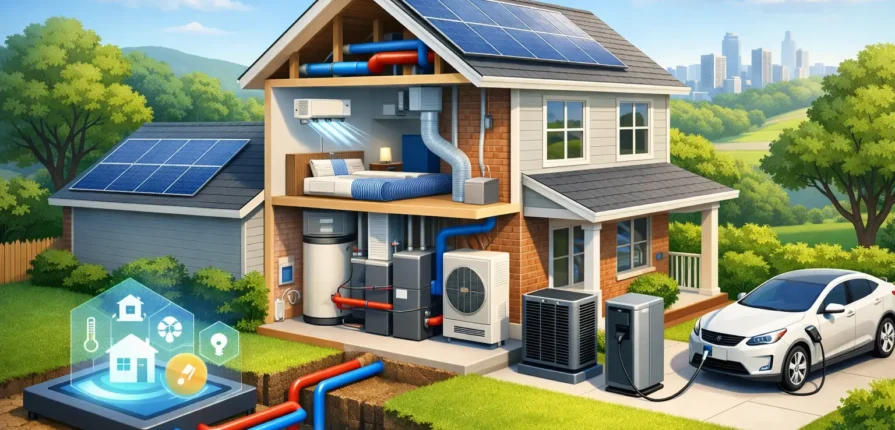
A furnace that runs but leaves bedrooms cold, an air conditioner that cannot keep up by late afternoon, and utility bills that climb for no clear reason all point to the same question: is better HVAC technology worth the investment? For many Ohio homeowners and property managers, the answer is yes, but only when the equipment matches the building, the budget, and the actual comfort problem.
Technology should solve a real issue. It should not be a pile of expensive features added to an aging system that needs basic repair, duct work, or maintenance. The right upgrades can make your home more comfortable, reduce waste, and give you earlier warning when something is not working as it should.
HVAC Technology Is More Than a New Thermostat
When people hear “HVAC technology,” they often picture a smart thermostat on the wall. That is one useful tool, but modern heating and cooling has changed much further than thermostat controls. Today’s systems can adjust output in small increments, monitor performance, manage humidity, improve filtration, and communicate with technicians during diagnostics.
The goal is simple: deliver the right amount of heating or cooling at the right time. Older systems generally run at one speed. They are either on at full output or off. That approach can work, especially in a well-maintained home, but it often creates temperature swings, louder operation, and longer periods of uneven comfort.
Newer equipment can operate more gradually. Instead of blasting conditioned air until the thermostat is satisfied, it can run at lower capacity for longer periods. That steadier operation is often what homeowners notice first. Rooms feel more consistent, humidity is easier to control in summer, and the system does not have to start and stop as often.
Variable-Speed Equipment: Better Control, Not Magic
Variable-speed air handlers, furnaces, and heat pumps are among the most practical advances in residential HVAC. Their motors can ramp up or down based on demand instead of operating at only one setting.
In cooling mode, a variable-speed system can run longer at a lower level. This gives it more time to remove moisture from the air. In a humid Ohio summer, that matters. A house can be 72 degrees and still feel sticky if humidity is high. Better moisture removal can make the space feel comfortable without forcing the thermostat lower.
In heating mode, variable-speed airflow can reduce the hot-and-cold cycle common with older furnaces. It may also run quieter than a standard single-speed blower. The trade-off is upfront cost. These systems have more advanced components, so correct installation and professional service matter even more. They are a strong option for homeowners planning to stay in their home, those with noticeable comfort problems, or properties where a standard system has never kept temperatures even.
Heat Pumps Are Becoming a Serious Ohio Option
A heat pump moves heat rather than creating it through combustion. In summer, it works like an air conditioner by pulling heat out of the home. In winter, it gathers available heat from the outdoor air and brings it inside.
Older heat pumps had a reputation for struggling in cold weather. Current cold-climate models perform far better at lower temperatures, making them a realistic choice in central Ohio. Still, a heat pump is not automatically the right answer for every home.
For some households, an all-electric heat pump system makes sense. For others, a dual-fuel setup is more practical. That combines a heat pump with a gas furnace. The heat pump handles much of the milder fall and spring weather, while the furnace takes over during the coldest stretches. This can provide efficient operation without asking one piece of equipment to do a job it is not suited for.
The best choice depends on insulation, duct design, available electrical capacity, fuel costs, and how the home performs on the coldest days. A proper load calculation matters more than a quick equipment swap. An oversized unit can short cycle and waste energy, while an undersized unit may run constantly without delivering enough comfort.
Smart Thermostats and HVAC Technology Controls
A smart thermostat can be a worthwhile upgrade, especially if your schedule changes from day to day or you manage a rental, office, or small commercial space. Many models allow you to adjust temperatures from your phone, build schedules, receive maintenance reminders, and review basic energy-use patterns.
The biggest benefit is not remote control for its own sake. It is avoiding unnecessary runtime. Setting the temperature back slightly when a home is empty, then bringing it back before everyone returns, can reduce wasted energy. The savings vary, and extreme temperature setbacks are not always helpful. A heat pump system, for example, may need a steadier schedule to avoid relying heavily on backup heat during recovery.
Compatibility is the part many homeowners miss. A thermostat must work with the system’s wiring and controls. Some advanced variable-speed systems need a manufacturer-specific communicating thermostat to deliver their full efficiency and comfort benefits. Installing the wrong control can limit equipment performance or create operating issues.
Before buying a thermostat off the shelf, have a technician confirm what your current system can support. This is especially important with multi-stage furnaces, heat pumps, zoning systems, and whole-home humidifiers.
Air Quality Technology That Addresses Real Problems
Indoor air quality equipment has improved, but the right solution depends on what is actually happening in the building. A family dealing with dry winter air has a different need than a business concerned about dust, odors, or allergy triggers.
A properly selected media air cleaner can capture more airborne particles than a basic one-inch filter while allowing good airflow. Whole-home humidifiers can help protect woodwork, reduce static electricity, and improve comfort during Ohio’s dry heating season. Dehumidifiers can be useful in basements and homes that stay damp even when the air conditioner runs.
UV lights are sometimes recommended for equipment areas where moisture can support microbial growth, such as evaporator coils. They are not a replacement for filtration, duct cleaning when it is truly needed, or correcting a drainage problem. Good air quality starts with the basics: the right filter, regular filter changes, a clean system, controlled moisture, and proper ventilation.
Be cautious with any product that promises to solve every air-quality concern with one device. An honest recommendation begins with the symptoms. Is there visible dust? Persistent humidity? Uneven airflow? Frequent allergy complaints? Musty odors? A technician should inspect the system and explain the cause before recommending equipment.
Diagnostics Can Catch Trouble Before a Breakdown
Modern HVAC diagnostics help technicians identify problems with more accuracy than guesswork alone. Digital tools can measure temperature differences, electrical readings, refrigerant performance, static pressure, and airflow. Some higher-end systems can also report fault codes or performance information through connected controls.
That does not mean every problem can be fixed remotely. A technician still needs to inspect the equipment, test components, and look for issues such as damaged wiring, dirty coils, restricted airflow, failing capacitors, or drainage trouble. Technology provides better information. Experienced service turns that information into the right repair.
For homeowners, the practical benefit is a clearer explanation of what failed, why it failed, and whether repair or replacement makes financial sense. If your furnace or air conditioner is older, a seasonal inspection can uncover smaller issues before they become an after-hours emergency call in the middle of a heat wave or cold snap.
When an Upgrade Is Worth It
Not every service call should end with new equipment. If a system is relatively young, has been maintained, and needs a straightforward repair, repairing it is often the sensible move. Replacing a failed part can be far more cost-effective than replacing the whole system.
An upgrade deserves a closer look when repairs are becoming frequent, comfort is uneven throughout the house, utility costs keep rising, or the system uses outdated equipment that is difficult or expensive to service. It also makes sense when you are remodeling, adding living space, finishing a basement, or replacing both heating and cooling equipment at the same time.
A quality installation should include more than setting new equipment in place. The contractor should evaluate system size, duct condition, return airflow, electrical needs, drainage, thermostat compatibility, and ventilation. The best HVAC technology cannot overcome poor installation or neglected maintenance.
Keep Advanced Equipment Maintained
High-efficiency equipment rewards regular care. Filters still need changing. Outdoor units still need clearance from leaves and debris. Condensate drains still need inspection. Furnaces, heat pumps, and air conditioners should still receive seasonal service.
Preventive maintenance protects efficiency and helps catch wear before it becomes a shutdown. It also gives you a chance to ask direct questions about performance, remaining equipment life, and whether a repair is still the smart move. For homes and businesses in Sunbury, Lewis Center, Powell, and nearby communities, Professional Trade Service can assess the system you have and explain practical options without pushing technology you do not need.
The next useful upgrade may be a variable-speed system, a compatible thermostat, better filtration, or simply a repair that restores proper airflow. Start with a full evaluation, get clear answers, and choose the solution that keeps your space comfortable when Ohio weather is at its worst.
Recent Comments