
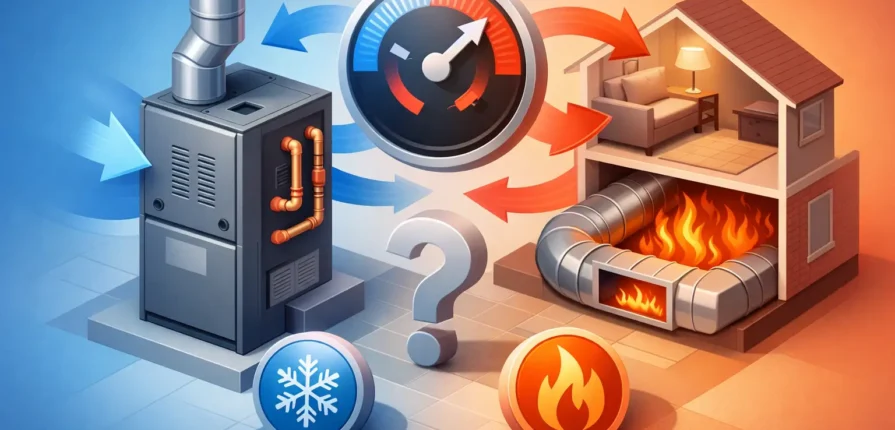
One of the clearest signs something is off with your heating system is when the furnace starts, runs for a minute or two, shuts off, and then kicks back on again. If you have been asking, why is furnace short cycling, the short answer is this: your system is not completing a normal heating cycle, and that usually points to a problem that needs attention before it turns into a bigger repair.
Short cycling is not just annoying. It can drive up utility bills, put extra wear on parts, and leave your home feeling uneven or downright cold. In Ohio, that is not something most homeowners want to gamble with during the heating season.
What short cycling actually means
A furnace is supposed to run long enough to bring your home to the temperature set on the thermostat, then shut off and stay off for a while. Short cycling happens when it turns on and off too quickly. Instead of steady operation, you get frequent starts and stops.
That matters because starting the furnace is one of the hardest parts of the cycle on the equipment. When that keeps happening over and over, components wear out faster. The blower motor, ignition system, and control board can all take a hit over time.
Why is furnace short cycling in the first place?
There is not one single cause. In some homes, the issue is simple and inexpensive. In others, it points to a safety problem or an aging furnace that is struggling to operate the way it should.
Dirty air filter
This is one of the most common reasons a furnace short cycles. A clogged filter restricts airflow, and that can cause the heat exchanger to get too hot. When the system overheats, the high-limit switch shuts the burner down to protect the furnace.
Then the unit cools off, tries again, and repeats the cycle. That is why a basic maintenance issue can look like a serious furnace failure.
If your filter has not been changed in a while, start there. It is a simple check, and in some cases it solves the problem right away.
Thermostat problems
Sometimes the furnace is fine, but the thermostat is sending bad information. If the thermostat is installed too close to a heat source, gets direct sunlight, or has a calibration issue, it may think the house is warmer than it really is. That can cause the system to shut off early.
Low battery power, loose wiring, or an older thermostat that is starting to fail can also create erratic furnace cycling. This is one of those situations where the symptoms can feel bigger than the actual repair.
Overheating from airflow restrictions
A dirty filter is not the only thing that can choke airflow. Closed vents, blocked returns, dirty blower components, or duct issues can all keep heat from moving properly through the system. When airflow drops too low, furnace temperature rises too high, and the system shuts down on safety.
This is why it is not always enough to swap the filter and move on. If the short cycling continues, there may be a deeper airflow problem in the ductwork or inside the furnace cabinet.
Flame sensor issues
The flame sensor is a safety component that confirms the burners are lit. If the sensor is dirty or failing, it may not detect flame correctly. The furnace will fire up, then shut down after a few seconds because it thinks the burners did not light safely.
This kind of short cycling often feels sudden. Homeowners will say the furnace turns on, starts to warm, and then cuts out almost immediately.
Furnace is oversized
Bigger is not always better with heating equipment. If a furnace is too large for the home, it can heat the space too quickly and shut off before completing a proper cycle. That sounds harmless at first, but it creates uneven comfort, extra wear, and reduced efficiency.
This tends to show up in homes where a system was replaced without a proper load calculation. It is not the most common issue, but it does happen, especially in older homes with changing insulation, additions, or equipment upgrades over the years.
Blocked exhaust or venting problems
High-efficiency furnaces rely on proper venting to move exhaust gases safely out of the home. If an intake or exhaust pipe is blocked by debris, snow, ice, or an animal nest, the furnace may shut down as a protective measure.
Venting issues should never be brushed off. A furnace that cannot vent correctly may be dealing with combustion problems, and that is something to address quickly.
Dirty burners or ignition trouble
If the burners are dirty or the ignition system is inconsistent, the furnace may have trouble lighting and staying lit. That can create repeated starts, failed ignition attempts, and shutdowns.
In some cases, this is part of normal wear and can be corrected during a repair or tune-up. In other cases, it is a sign that multiple aging components are stacking up at once.
Failing limit switch or control problem
The limit switch is designed to shut the system down if it gets too hot. If that switch is failing, it may trip when it should not. Control board problems can also cause irregular furnace behavior.
These are not usually homeowner fixes. Once electrical controls enter the picture, proper diagnosis matters. Guessing can waste time and money fast.
What short cycling can do to your furnace
A furnace that short cycles may still produce heat, which is why some people put off calling. The problem is that the system is working harder than it should while delivering less comfort.
You may notice rooms heating unevenly, higher gas or electric bills, more noise at startup, or a furnace that never seems to settle into a normal rhythm. Left alone, short cycling can lead to cracked heat exchanger concerns, blower strain, ignition failures, and avoidable breakdowns during the coldest days of the year.
That is the trade-off. Waiting might save you a service call today, but it can turn a smaller repair into a larger one later.
What you can check before calling for service
There are a few basic things worth looking at before scheduling a repair. Check the air filter first. If it is dirty, replace it. Make sure supply vents and return grilles are open and not blocked by furniture, rugs, or boxes.
Look at the thermostat setting and batteries if it uses them. If your furnace vents through PVC pipe, a visual check outside for obvious blockages can also help. Beyond that, it is smart to stop there.
If the furnace keeps short cycling after those simple checks, it is time for a proper diagnosis. Modern heating systems have multiple safety controls, and repeated shutdowns are usually the furnace telling you something is wrong.
When to call a professional
If your furnace is shutting off within seconds or a couple of minutes, if you smell gas, if the burners look unstable, or if the system is making repeated ignition attempts, call for service right away. The same goes for any unit that is short cycling during freezing weather, especially in homes with kids, older adults, or vulnerable tenants.
For property managers and homeowners with older equipment, it is worth knowing that short cycling does not always mean replacement. Sometimes the fix is minor. Sometimes it is a maintenance issue that should have been caught earlier. And sometimes the system is telling you it is near the end of its useful life. The only honest answer is that it depends on the age of the unit, the cause of the problem, and the cost of repair compared to what comes next.
That is where an experienced HVAC technician can save you time. A good inspection should tell you not just what failed, but why it failed and whether the repair makes sense.
How to help prevent furnace short cycling
Routine maintenance goes a long way here. Annual furnace tune-ups help catch dirty burners, weak flame sensors, airflow restrictions, and venting issues before they turn into no-heat calls. Regular filter changes matter too, and they matter more than many homeowners realize.
If your system has been short cycling more than once, do not assume the last repair solved the whole issue. Sometimes one symptom has more than one cause. That is especially true in older furnaces where airflow, control issues, and wear can overlap.
For homeowners in Delaware and surrounding central Ohio communities, quick service matters when the heat is acting up. Professional Trade Service sees this kind of problem every winter, and the faster it is diagnosed, the better your chances of avoiding a larger repair bill.
If your furnace keeps starting and stopping, trust what it is telling you. Heating systems are built to run in steady cycles, not fight themselves every few minutes. A quick check now can protect your comfort, your budget, and your furnace when you need it most.
Recent Comments